
Taiwan Travelogue
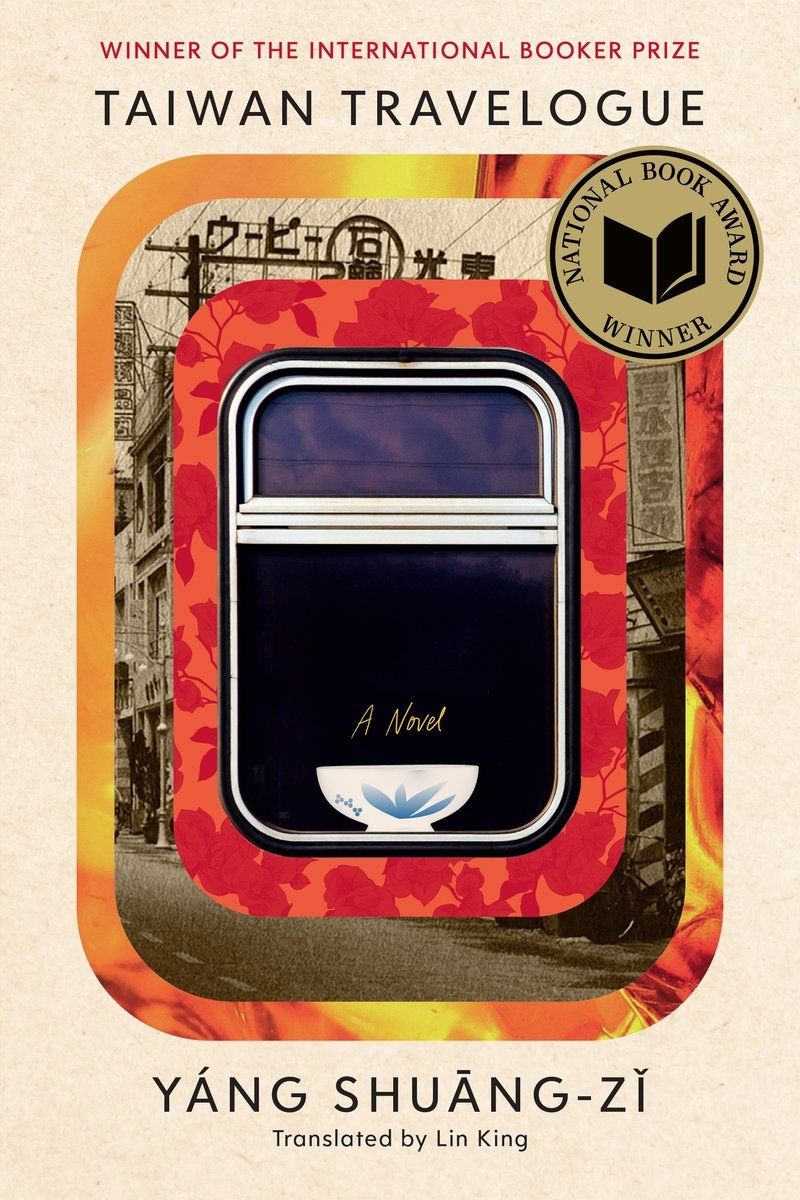
As we wait with bated breath for the announcement of the Booker Prize shortlist, happening on Sept 22nd if anyone happens to be in London then. And due to the fact that the only longlist nominees I'm still waiting to read aren't out in the US quite yet, I decided to take a look at this year's winner of the soon-to-be-renamed International Booker Prize, which is Taiwan Travelogue by Yang Shuang-zi and translated into English by Lin King.
The novel is presented as a novel within a novel, which with the English translation actually goes even one level deeper than that. The conceit in the book is that it's a rediscovered series of travel articles by a Japanese novelist in the late 1930s that had been translated into Mandarin Chinese in the modern day. We follow the visit of Japanese author Aoyama Chizuko to the island of Taiwan for a year-long visit to understand the culture of the island and to also occasionally present about her previous novel.
Her trip comes around the start of the Second Sino-Japanese War, and her visit is in fact sponsored by the colonial authorities with the tacit understanding that some of her articles would be suitable for propaganda purposes. Despite her Japanese heritage, Aoyama does refuse to participate in that kind of writing. Instead, once she arrives, she is paired with a local interpreter named O Chizuru, whom she eventually nicknames "Chi-chan," and she proceeds to try and satiate her never-ending appetite, which she often says is like a monster inside of her.
It's a common trope that a book is always better than any TV or movie adaptation of it, but I'm unsure if that would be the case with this book. The story is a true love letter to Taiwanese food and culture, with even all of the chapters being named after different dishes. Large swaths of the book are just voluminous descriptions of individual dishes, snacks and meals that the two main characters go through eating. Given my lack of familiarity with food from that part of the world, I would love to see a TV version just so I could understand what food they're so often talking about, most of which sounded pretty great, though, as is often the case, too many vegetables were mentioned for my liking.
The rest of the plot outside of the copious depictions of food is also interesting, but again my lack of familiarity with the geopolitics of the time means that some of the more subtle points of the story probably went over my head. There is an obvious tension from time to time due to the fact that Aoyama is there at the pleasure of the colonial government and, like it or not, she is an embodiment of the will of the Japanese government in a time of war. She does make every effort to learn as much as she can about the native people of the island, predominantly through the speciality dishes.
If I have more time before my next batch of reads, I might go back and try some of the other shortlisted International Booker Prize entries for this year. Even without reading the other translated works, I will say this compares more favorably than the majority of the non International longlist nominees I've read so far, so I would imagine this is a worthy winner. Just make sure you can schedule your reading time of this book to coincide with your next meal as closely as possible or you might regret it.
This review contains affiliate links. If you buy through one I earn a small commission, at no extra cost to you.
- ← Previous
May We Feed The King